ASA Systems wheel-based vehicle restraints
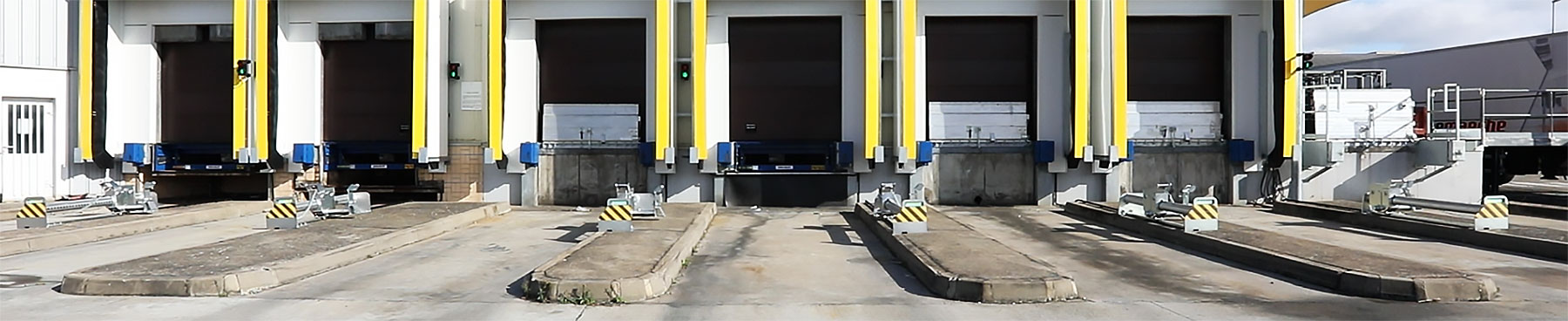
Wheel chocks designed to immobilise trucks and heavy goods vehicles at transhipment docks, enhancing safety during loading and handling operations.
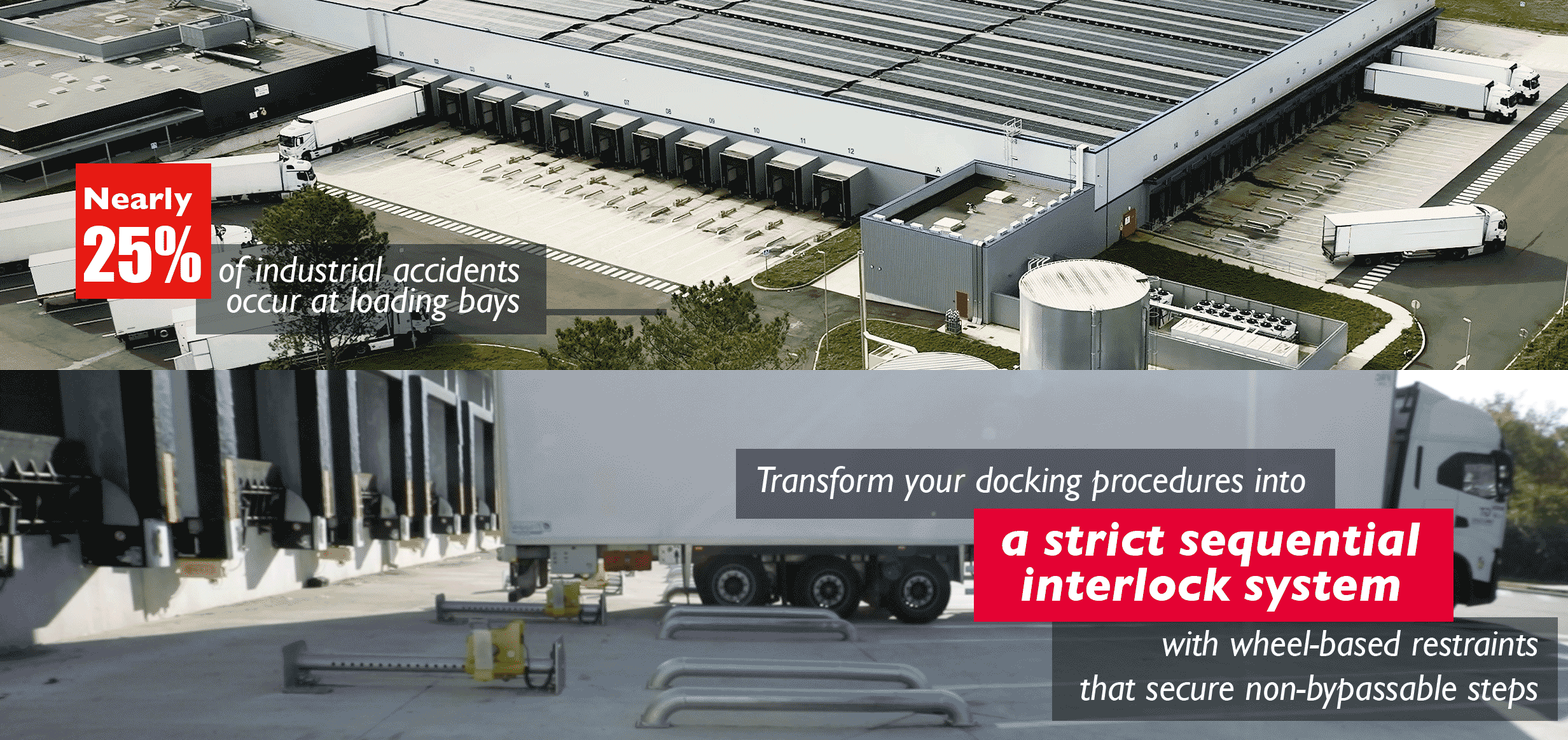
Risks of Uncontrolled Vehicle Movements on Logistics Bays
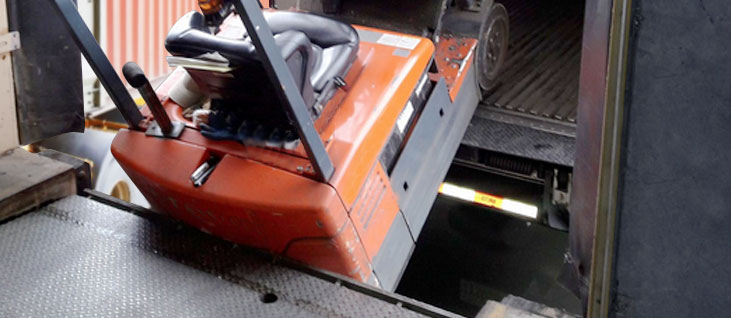
“Loading and unloading operations involving vehicles and heavy goods vehicles at logistics loading bays are especially critical, exposing operators, drivers and other personnel to significant risks. Once the vehicle is positioned at the bay, inadequate wheel immobilisation may result in unintended truck movement during loading, or even an unexpected vehicle departure before handling operations have been completed.”
• Crushing risk, the unintentional movement of a heavy goods vehicle on a loading bay can result in a high risk of crushing for operators working in close proximity to the vehicle, particularly in the landing gear area.
• Risk of load overturning, unintended vehicle movement during a loading operation can cause load instability and falling goods, exposing operators to serious injuries.
• A wheel restraint prevents falls involving personnel, instability caused by a poorly positioned vehicle can lead to misalignment between the trailer and the loading bay, resulting in the collapse of the dock leveller lip. This may in turn cause personnel falls and damage to the dock leveller, electric pallet truck or forklift truck.
• Risk of falls and equipment collisions, communication errors between the driver and handling operatives may lead to an unexpected vehicle departure, exposing forklift operators to the risk of their truck falling from the loading bay, or to collisions with other vehicles or equipment operating in the yard.
Manual or semi‑automatic, which restraint to choose?
It is not always easy to determine which type of equipment should be prioritised to immobilise trucks at the loading bay. This will depend, among other factors, on your docking procedures, site layout, wheel guide configuration, floor conditions and the types of vehicles you handle. You will find on this page page a number of key principles to help guide your choice.
Not sure? +33 559 810 100.
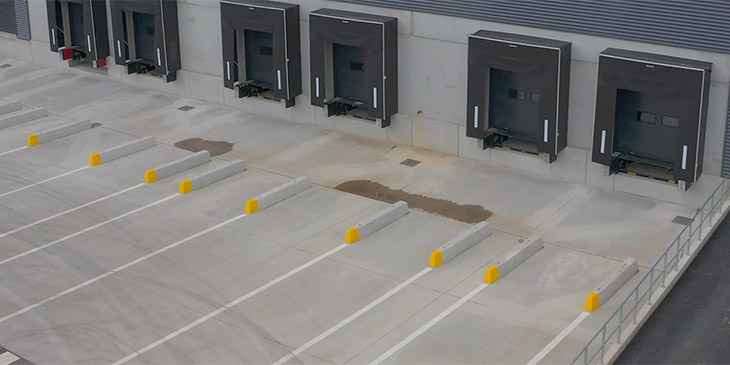
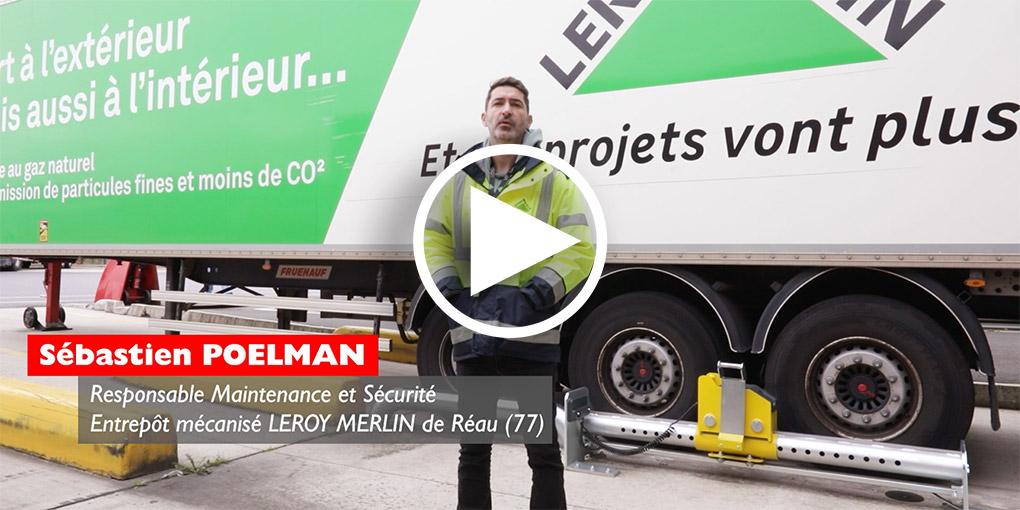
Find out what a Safety and Maintenance Manager at a 72,000 m² logistics site has to say about our manual vehicle restraint.
As part of its ongoing commitment to safety, the Leroy Merlin logistics site in Réau (France), which was an early adopter of automation to reduce the risks faced by its employees, is now upgrading its procedures for docking lorries at the loading bay. Using Easyblock manual restraint, Sébastien Poelman has created a system with strict conditional progression: until the lorry is locked to the loading bay, the door and leveller cannot begin their opening and extension sequence, and once the transfer is complete, the lorry can only be released once the leveller has been retracted and the sectional door closed. Each stage of the process is clearly visible to staff, both outside and inside the building, thanks to light signals.